

Neo Financial and Capital One are both popular choices for Canadians looking for an affordable way to manage their spending or build credit. While Capital One only offers credit cards (secured and unsecured) in the Canadian market, Neo offers prepaid, secured, and traditional credit cards, as well as spending and savings accounts.
To compare the overall experience, I spent about a week using the Neo Money prepaid card and a Capital One Guaranteed Mastercard for my everyday spending. The Capital One card is a basic credit card with no annual fee. Although I tested Neo's prepaid card, the app and overall user experience are largely the same across Neo's prepaid, secured, and unsecured credit products. Here's what I found.
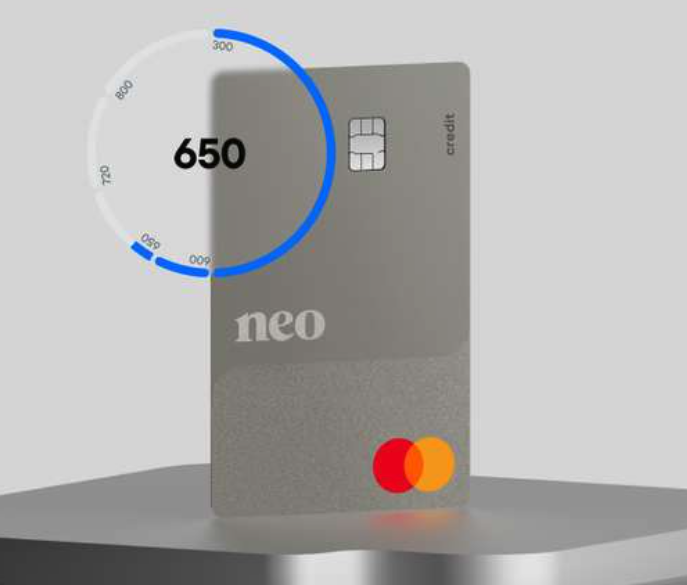
Improve your credit score with a Neo Secured Mastercard! Plus, sign up now via the button below and get a $60 welcome bonus.
*Limited-time offer. Only valid for new Neo customers who open their first eligible Neo credit product and make a purchase within 90 days.
Neo Financial
Neo Financial is a Canadian fintech that offers spending and savings accounts, along with cashback rewards through different spending categories and retail partners.
Neo also offers several credit cards, including secured cards that can help you build credit. For this comparison, though, I used Neo's prepaid Money card. However, Neo also offers secured credit cards that use the same app and account experience while giving users the opportunity to build their credit history.
I already had a Neo EveryDay account from a previous review, so I didn't need to open a new account for this experiment. Instead, I transferred $100 from my TD account and used the card for my everyday spending over the next week. The table below explains the different options for funding your Neo account, along with the estimated timelines:
My week of spending with Neo: How it went
During my week with Neo, I spent just under $90 on a handful of purchases, including two trips to Home Hardware and a couple of Tim Hortons runs. Here is a screenshot of my Neo transactions:
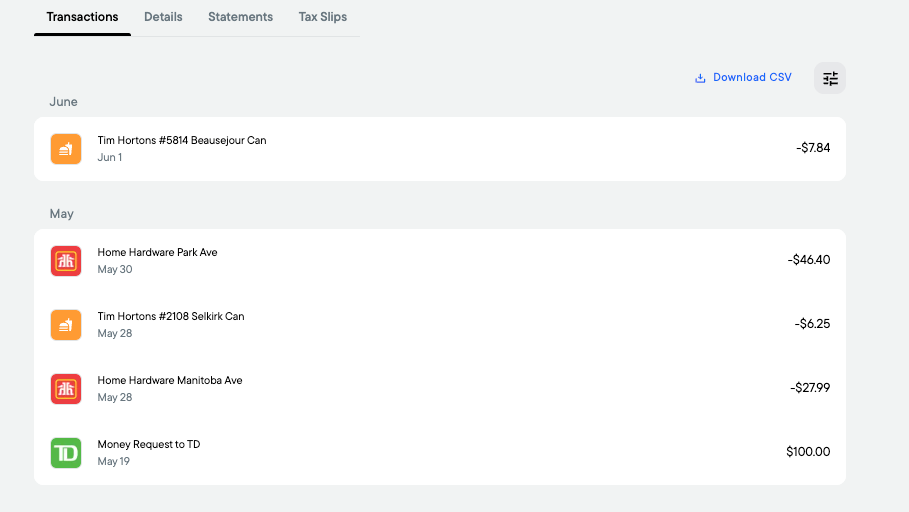
And here is a breakdown of my spending:
Now, you’re probably wondering why I didn’t earn any cash back, even just a few cents? Well, it’s because I didn’t spend any money on groceries or gas. My wife and I typically buy groceries at Costco once a month and fill in the gaps as needed. And to earn cash back on other spending categories with Neo, you need to have a balance of at least $5,000 in your account. My balance was only $100 at the start of the week.
The following chart shows you how cash back is calculated with the Neo Money card. As you can see, there is a category component (groceries and gas), but your account balance also matters.
If your goal is to build credit rather than simply manage your spending, Neo also offers secured credit cards. Like Capital One's secured cards, they require a refundable security deposit and report your payment history to Canada's credit bureaus. The biggest difference is that Neo combines those credit-building features with the same platform and cash-back rewards structure as its prepaid debit card.
Capital One
After my week with Neo ended, I switched my everyday spending to a Capital One card. Unlike Neo, Capital One isn't a full-service financial company. It focuses almost exclusively on credit cards, so you won't find spending or savings accounts, mortgages, or investment products.
But Capital One does offer five no-fee credit cards, including secured credit cards for building credit and rewards cards that earn cash back. For this comparison, I used the no-fee Capital One Guaranteed Mastercard.
The funny thing is, I actually began this test hoping to receive a secured Mastercard, as it would be more similar to the prepaid Neo Money card. With a secured credit card, you need to provide funds upfront to cover the credit limit.
However, when I clicked on the green “See if you’ll be pre-approved” button (see the screenshot below), Capital One approved me for a regular credit card (with a rather high limit). Obviously, approval decisions vary from person to person, but that’s what I ended up using.
WHAT WAS YOUR LIMIT? WE ARE CURIOUS...
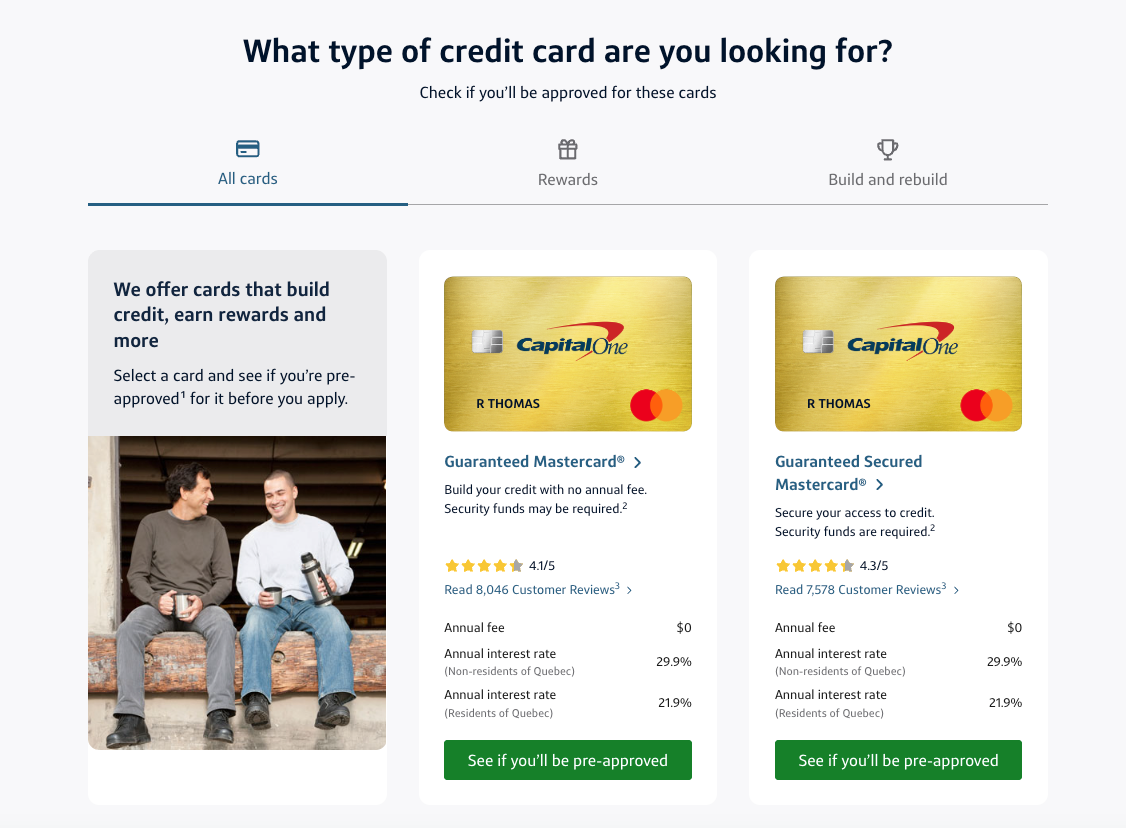
By the way, the Capital One pre-approval process was super quick. Unfortunately, I had to wait about two weeks for my card to arrive in the mail.
To make matters worse, I needed to wait for a PIN to activate my card, but it never arrived. I couldn’t obtain another PIN over the phone (trust me, I tried), and had to request a replacement to be sent by mail. All in all, the process took several weeks. I was pre-approved for the card on March 29th, but couldn't start using it until mid-May.
My week of spending with Capital One: How it went
During my test, I used the card for groceries, coffee, and a couple of Tim’s purchases, spending just over $114.00 in total. You can see my transactions below.
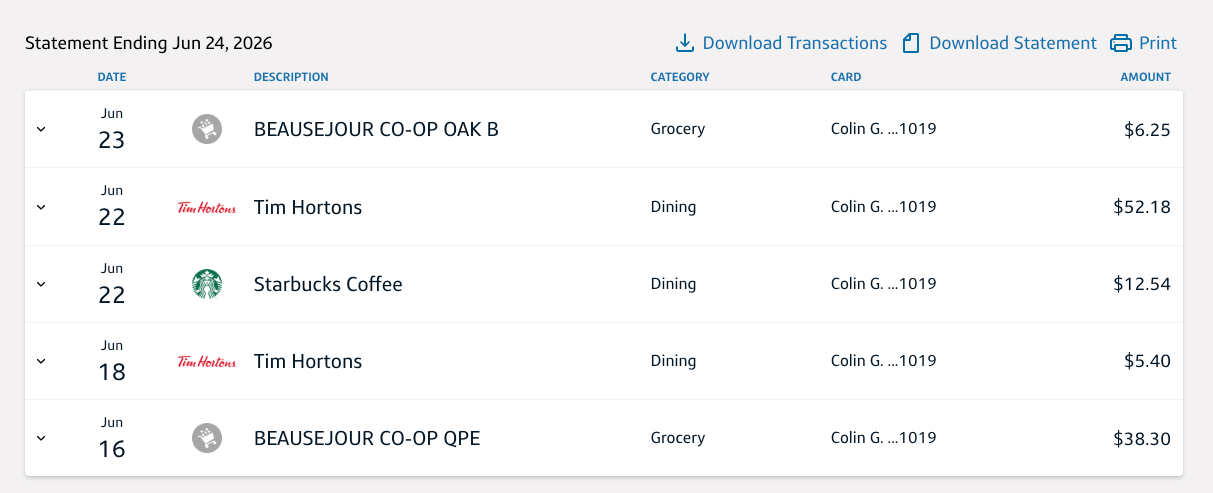
Because the card I used isn't a rewards card, I didn’t earn any cash back or rewards points. If rewards are important to you, you could try to qualify for one of Capital One's three no-fee rewards credit cards.
Beyond not earning any cash back, another downside I discovered was that Capital One doesn’t yet work with Apple devices, so I couldn’t add the card to the Apple Wallet on my iPhone (I was able to do this with the Neo Money card).
Here’s the message I received when I tried to set it up:
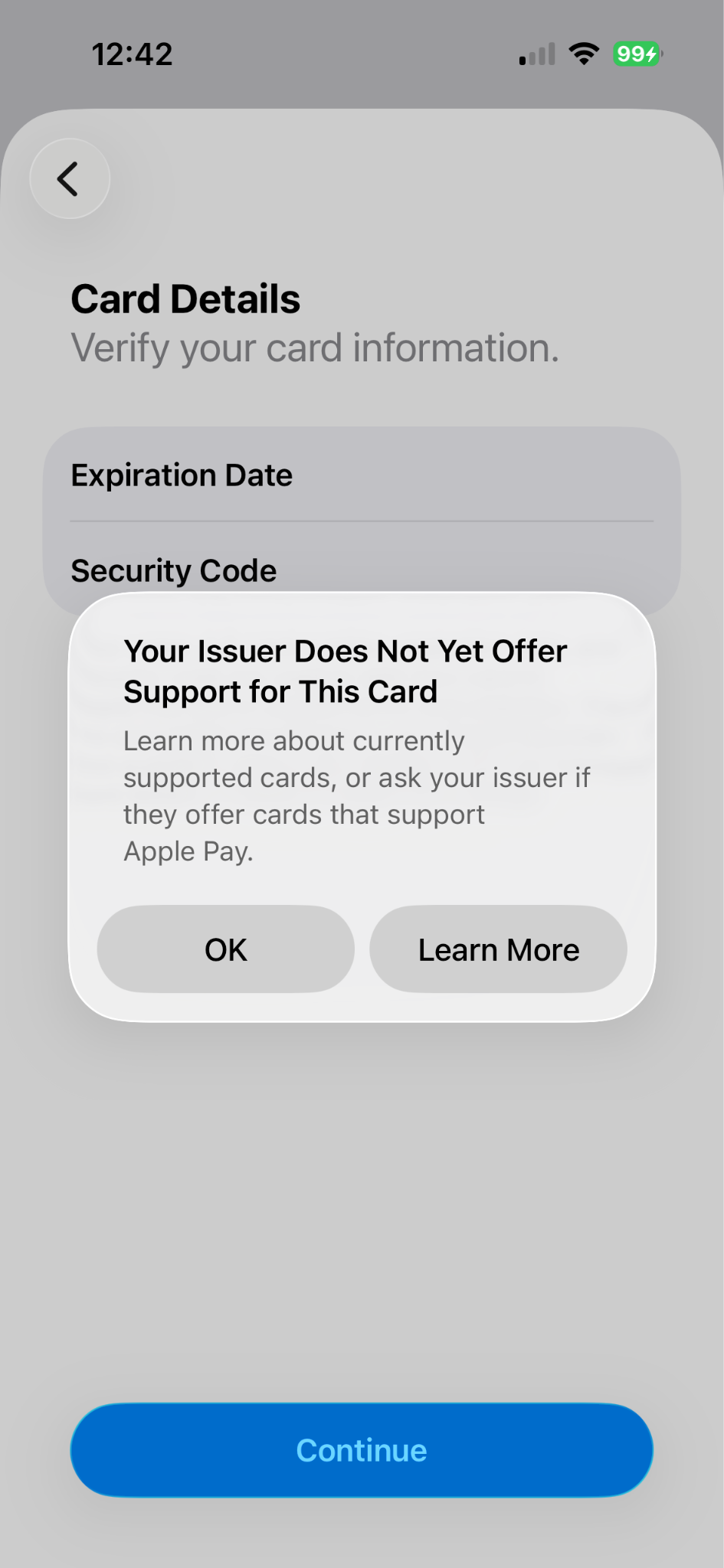
I should point out that Android users can add the Capital One card to their Google Wallet.
Comparing Neo vs. Capital One
The bottom line
After spending a week with the Neo and Capital One cards, I don't think there's a single winner. Instead, it comes down to what's better for your specific spending habits.
Neo lets you earn cash back, but how much you earn depends on where you shop and how much money you keep in your account. You'll need $10,000 or more to access the highest rates. During my test, I didn't earn any rewards because I didn't buy gas or groceries, and my $100 account balance wasn't high enough to qualify for cash back on other purchases.
The Capital One card I received didn't offer any rewards, although the company does have other no-fee cards that do.
I was also able to start using Neo much sooner. Once my account was funded, I added the virtual card to my Apple Wallet and started paying with my phone right away. The physical card arrived later in the mail.
With Capital One, I had to wait for the physical card and the PIN to arrive in the mail before I could begin using it. It didn't help that the first PIN never arrived. I also wasn't able to add my Capital One card to my Apple Wallet. That said, it works with Google Wallet on Android devices, so you may have a smoother experience if you use an Android phone.
The biggest difference is the overall experience. Neo offers a broader financial ecosystem with spending and savings accounts, cashback rewards, and a modern app that works across its prepaid and secured cards. Capital One keeps things simpler by focusing almost entirely on credit cards.


