

If you search "best licensed insolvency trustee Toronto," you'll find dozens of firms offering to help with consumer proposals, personal bankruptcies, and debt relief.
So how are you supposed to choose?
I reached out to several trustee firms in Toronto and interviewed three Licensed Insolvency Trustees about what debtors should look for when choosing a trustee. I also wanted to know what makes their firm different and whether there are any red flags people should watch for.

Improve your credit score with a Neo Secured Mastercard! Plus, sign up now via the button below and get a $60 welcome bonus.
*Limited-time offer. Only valid for new Neo customers who open their first eligible Neo credit product and make a purchase within 90 days.
For this article, I focused on trustee firms that had built strong reputations online through a combination of Google reviews, review volume, and overall public opinion.
I spoke with:
- Victor Fong, Licensed Insolvency Trustee at Fong & Partners
- Caryl Newbery-Mitchell, Licensed Insolvency Trustee at MNP Ltd.
- Elliot J. Rotfarb, Licensed Insolvency Trustee at Brief & Associates
I asked each of them to share their thoughts on choosing a trustee, comparing firms, fees, consultations, as well as common mistakes people make when looking for help with their debt.
How I found and evaluated Toronto Licensed Insolvency Trustees
Before reaching out, I wanted to narrow my list to firms that appeared reputable and accessible.
To do that, I looked at:
- Google reviews and overall ratings
- Confirmation that the professional was a Licensed Insolvency Trustee
- Firm websites and the information they provided about their services
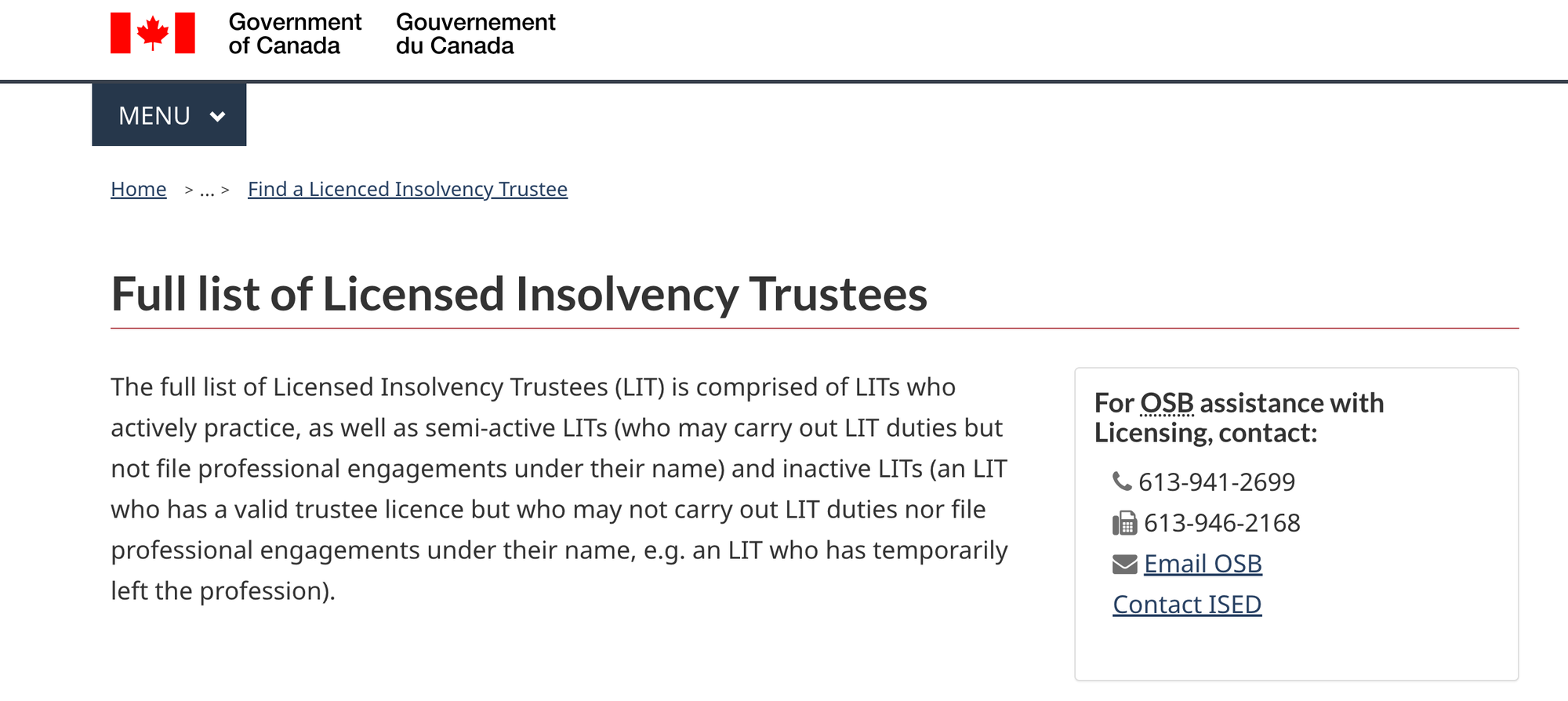
There's also a federal directory of Licensed Insolvency Trustees that you can use to verify a trustee's licence and find active LITs in your area.
How to choose a trustee
One of the LITs I spoke to was Caryl Newbery-Mitchell of MNP Ltd. She says that debtors should start by verifying credentials. “When looking for debt help, the first step is to make sure you are speaking with a Licensed Insolvency Trustee. Licensed Insolvency Trustees are the only federally regulated debt professionals in Canada, so consumers can feel confident they are receiving advice from a licensed professional. Unfortunately, there are some organizations out there that purport to provide services that only Licensed Insolvency Trustees are permitted to provide.”
I also learned that Licensed Insolvency Trustee fees are strictly regulated by the federal government under the Bankruptcy and Insolvency Act. Because LITs don’t set their own rates, LIT Victor Fong of Fong & Partners recommends focusing less on cost and more on whether the trustee is someone you feel comfortable working with.
If fees are similar and every Licensed Insolvency Trustee has gone through the same rigorous licensing process, what should consumers actually compare?
LIT Fong suggests looking at Google reviews and checking whether complaints have been filed with the Office of the Superintendent of Bankruptcy. Because insolvency proceedings are confidential, he told me that online reviews are often the closest thing consumers can get to client testimonials.
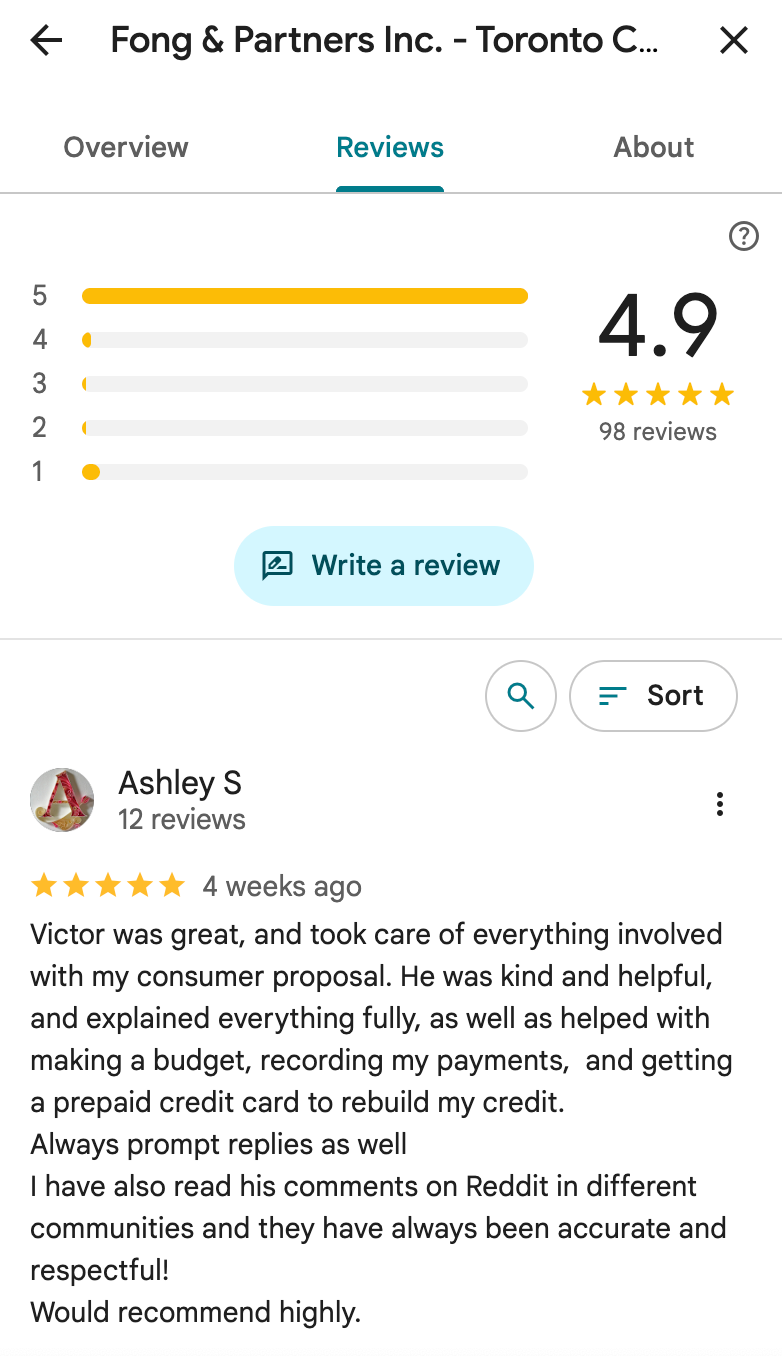
I took that advice while researching this article. Before reaching out, I found that LIT Fong's practice had a 4.9-star Google rating, with reviewers consistently highlighting his patience, clear communication, and non-judgmental approach. Those same qualities came through in my own interaction with him.
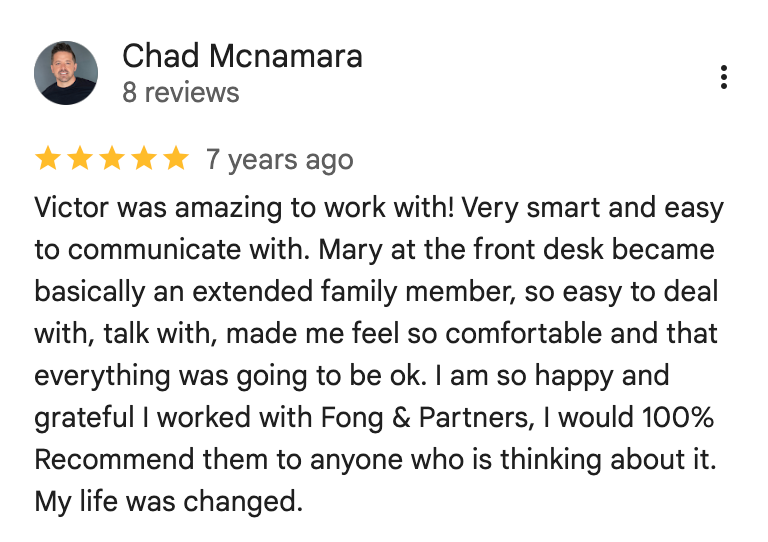
LIT Newbery-Mitchell says consumers should be focusing on trust. “Financial difficulties are stressful and often very emotional, so it matters whether the person takes the time to listen, explains the options clearly, and helps you understand the process without judgment. You should feel comfortable asking questions and should leave the conversation feeling informed, not overwhelmed.”
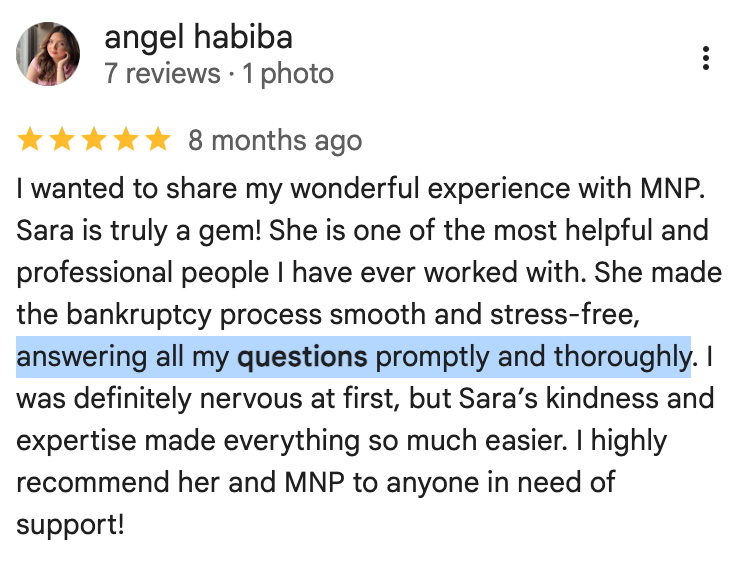
LIT Rotfarb pointed to responsiveness. If you need help during the process, how easy is it to get someone on the phone? Will you be dealing with the same people throughout your file?
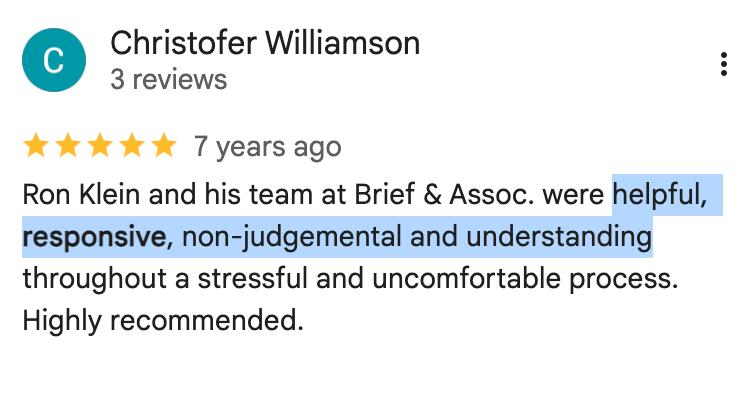
Although every trustee I contacted ultimately responded, some got back to me much more quickly than others. Considering how stressful financial difficulties can be, I could see why having someone who communicates clearly and consistently would matter just as much as their credentials.
The one question every debtor should ask
I asked each trustee what question every debtor should ask before choosing a Licensed Insolvency Trustee.
LIT Newberry-Mitchell's answer: "Based on my situation, what options are available to me, and what are the pros, cons, and obligations of each?"
She explained that many people assume speaking with a trustee automatically means filing for bankruptcy, but that’s not true. A Licensed Insolvency Trustee is required to review your full financial situation and explain all available options. That could include a consumer proposal, bankruptcy, or options you may not have considered.
The goal of the first conversation is to understand your options so you can make an informed decision.
LIT Rotfarb recommends reaching out to get a feel for the firm and their process. “Even if you just have a question or two and are not yet ready for a consultation, that’s fine too. Usually, it just takes a few minutes of speaking with someone to get the feeling if they can help you or not.”
Don’t underestimate the human factor
As LIT Rotfarb put it, while every trustee has the technical knowledge to help people with debt problems, it's equally important for debtors to choose someone who listens and addresses all of their concerns.
“While an LIT’s main role is to provide solutions to debt issues, unmanageable debt is often linked with other personal issues and it’s important that the debtor feels that the LIT is taking the time to listen and factoring everything into its recommendation. When a debtor tells me they feel much better after we spoke, I'm glad to hear that," he said. "I certainly do not want to add to the stress they are already under."
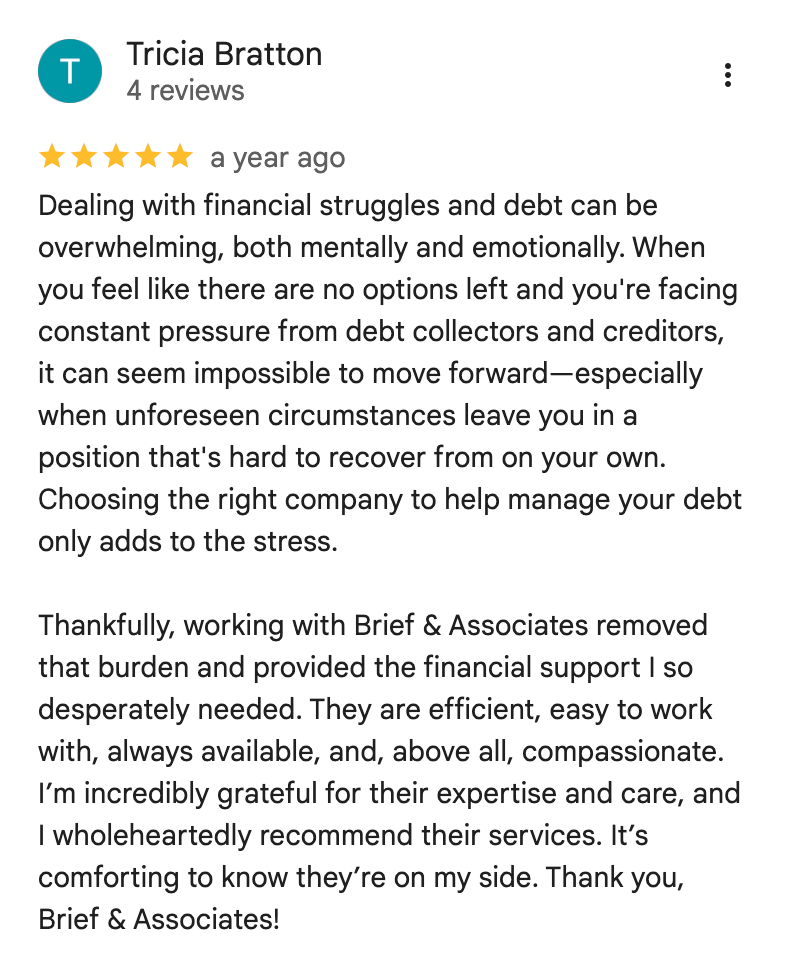
LIT Newberry-Mitchell echoes this: “For many people, reaching out for debt help can feel overwhelming. We want that first conversation to feel respectful and supportive, so people understand they are not alone and that there may be options available to help them move forward with greater clarity.”
What makes each firm different?
I also asked each trustee what they bring to the table compared to other firms.
LIT Fong emphasized personalized service, warning consumers to be cautious of debt consultants who charge unnecessary fees for referring people to trustees.
Because Brief & Associates is a smaller firm, LIT Rotfarb said clients often work directly with the same trustee and a small team that knows their situation inside and out.
At the end of the day, choosing between reputable trustee firms often comes down to fit.
Can you ask for references?
I was curious about this because it's something many people do when hiring other service professionals, like a lawyer, accountant, or contractor.
The answer is usually no.
Because trustees can't publicly discuss their clients' cases, online reviews are often one of the few ways prospective clients can get a sense of what it's like to work with a particular firm. LIT Rotfarb explained that providing direct references would be difficult given the confidential nature of insolvency proceedings.
Instead, the trustees I interviewed recommended looking at online reviews and booking a consultation to see whether a firm feels like the right fit.
Do trustees offer free consultations?
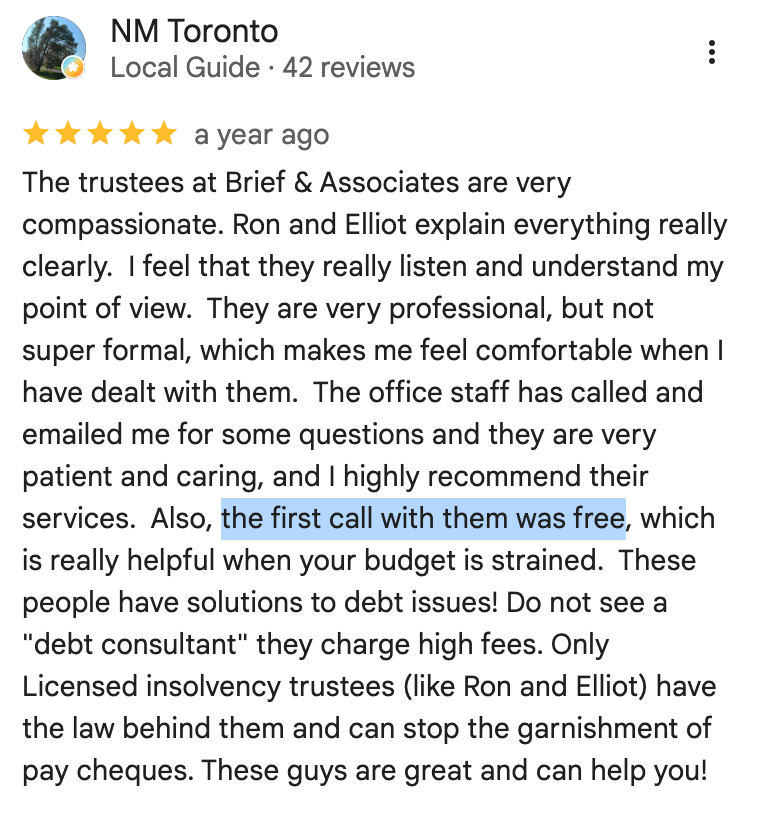
All three trustees I interviewed offer free initial consultations.
That first meeting typically includes a review of your debts, income, expenses, assets, and overall financial situation. You'll also have the opportunity to ask questions and learn about all available debt relief options.
Most importantly, there’s no obligation to move forward. You can simply use the meeting to gather information and understand your next steps.
The biggest mistake people make
When I asked the trustees about the biggest mistakes people make when looking for debt help, their answers were consistent across the board: waiting too long.
LIT Newberry-Mitchell told me that many people spend months or even years trying to manage overwhelming debt on their own before speaking with a Licensed Insolvency Trustee. By the time they do, some options may no longer be available. “Never once have we heard someone say they wish they had waited longer to reach out for help. The earlier someone reaches out, the more debt relief options they may have available to them to find a path forward.”
LIT Rotfarb hears the same thing from clients all the time.
"Probably the most frequent comment we hear is someone saying they should have called us months ago and not waited so long."
Both LIT Rotfarb and Newberry-Mitchell told me that one of the most common things they hear from clients is that they wish they had reached out sooner. Getting professional advice earlier tends to create more options.
LIT Rotfarb also stressed the importance of being transparent with your LIT. “In order to avoid unexpected issues post-filing, we always want a person to tell us everything up front so that we can give proper advice before they sign the various legal documents. I like to use the analogy: filing a bankruptcy is like scrambling an egg, it can’t be unscrambled.”
My takeaway
Taking the first steps towards debt management can be daunting. Before researching this article, I didn’t really know what an LIT was. I assumed that, as with other professionals, credentials, experience, and cost would be the biggest factors in choosing one.
Now I have a different perspective. Working with an LIT isn't just a professional transaction. You're asking someone to understand some of the most personal details of your financial life and help you navigate an emotionally difficult situation.
The qualities that were cited most often in reviews of top LITs were patience, empathy, clear communication, and the ability to make people feel heard without judgment.
If you're looking for an LIT, pay attention to how you feel during that first conversation. Do they listen? Do they explain your options clearly? Do they make you feel comfortable asking difficult questions? Those qualities may ultimately shape your experience just as much as their professional qualifications.


