

I first came across Jose the way I come across a lot of people now: TikTok. He was breaking down how much his vending machines earned during the Formula 1 weekend in Montreal. He made almost $500 from three machines, in case you were wondering. In a sea of dropshipping tutorials and digital planner side hustles, it felt almost refreshing. A vending machine business sounded tangible and slightly boring in the best way. What a vintage side hustle, I thought.
I took the bait and clicked through his account, scrolling past clips of chocolate bars snapping neatly into coils and piles of coins being counted. Between the visuals, Jose talked plainly about margins, mistakes and what life actually looks like as a vending machine side hustler. So I sent him a DM.
The work looked satisfying on screen, but I wanted to see it in person. Was it really all KitKats and Hershey’s or was that just on social media? Jose agreed to meet me in Montreal and walk me through how his vending machine side hustle actually works.
Why vending machines?
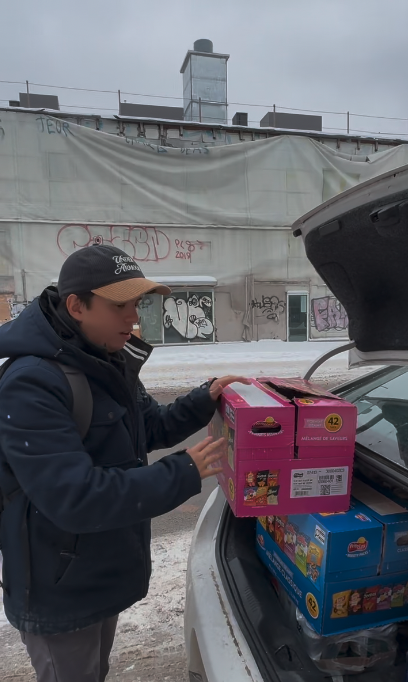
I met Jose on a snowy winter morning outside the downtown Montreal train station. He was already there with the trunk of his car packed with snacks, ready to finish a round of vending machine refills together. Before hitting the road, we got a quick coffee and snack at a nearby café.
That’s when I learned Jose was 24 and owned and operated ten vending machines across Montreal, all while holding down a full-time job. In his off hours, he runs the business and posts videos about it online. On a good day, he wakes up early, refills his machines and logs into work by noon. A weekly run takes him about three to four hours, depending on traffic. He structures it this way so his weekends stay his.
The appeal is flexibility. “I didn’t want something that would take over my life,” he said. “The machines do most of the work.”
The idea came to him right after high school. He had time on his hands and spent much of it at the library. He picked up a book about ways to build wealth and vending machines stood out because they were easy to understand.
“You don’t need complicated systems. It’s like a retail store inside a box.”
At the time, Jose was working as a busboy at a restaurant. He didn’t want to borrow money, so he saved his paycheques. At 18, he bought his first vending machine for $500 from an older operator on Facebook Marketplace looking to get out of the business. It was coin-operated and smaller than the machines he owns now, but still bulky and difficult to move.
“Vending machines are really heavy,” he said. “I needed three guys just to move one small one.”
That first machine taught him his biggest lesson: find the location first. With nowhere to put it, the machine sat in paid storage that cost him about $70 a month. The fees quickly started eating into any potential profit.
“Buying the machine is easy,” he said. “Finding the location should come first.”
Even relocating machines later came with a price shock. Hiring movers to transport two or three machines can cost close to $1,000.
How the business actually works
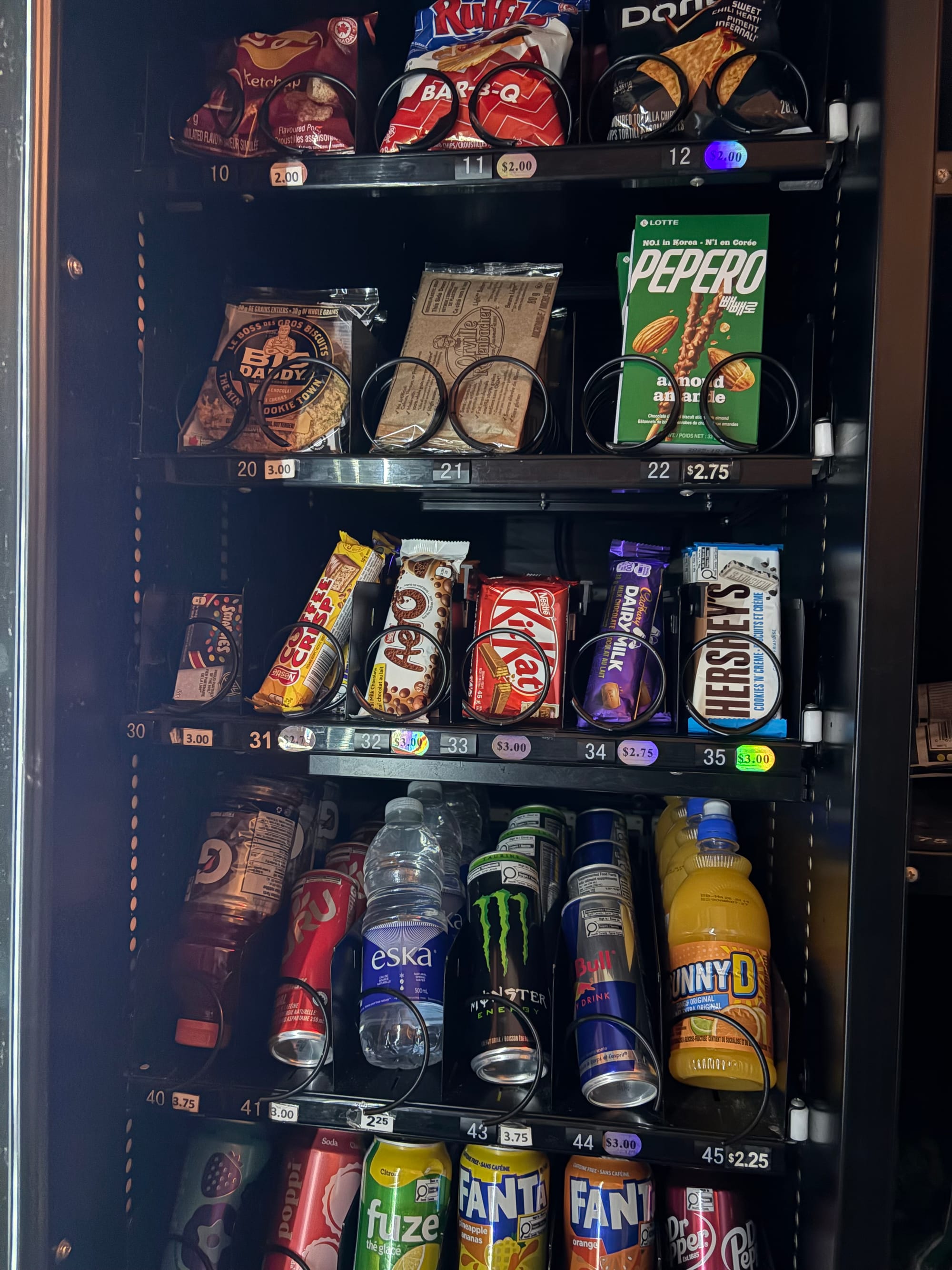
If you’re wondering how to start a vending machine business, Jose says the first step is not buying a machine. It’s deciding what you want to sell.
Vending machines are not just for chips and soda. They can sell snacks, healthy products, coffee, tools and even sanitary items. The product determines the location. Healthy snacks make more sense in schools and hospitals. Energy drinks might work near construction sites. Coffee works well in offices with long hours.
Jose always asks one question: If you worked there, would you buy from that machine?
Once you know what you want to sell, you go after locations. A good location comes down to two things: foot traffic and hours of operation. The more people passing by the machine and the longer the business stays open, the better the chances someone will stop to buy a snack.
He says there isn't one reliable method to secure a spot. Sometimes he walks into a business and asks to speak with the manager. Other times, he sends emails, calls or secures introductions through contacts. The more places you approach, the higher your chances of landing a location.
Once someone is interested, the conversation usually turns into how the deal will work. In many cases, Jose keeps all the revenue from the machine. The location provides the space and electricity, and the vending machine acts as a free service for their employees or customers. Some businesses do ask for a commission. In those cases, Jose negotiates a sale percentage, usually between 6 and 10 per cent.
Jose said it’s important to explain to partners that you’re “not a gambling machine. You're a standard mom and pop machine selling pop and snacks… making a little bit while giving services to you and your customers.”
To protect himself, Jose always signs a contract with the location owner. Without one, a larger operator or beverage company could approach the same business and offer to install their machines.
In most locations, he relies on the building’s electricity and internet connection. The machine plugs into a standard outlet and the card reader system processes payment through wifi connection.
Some places require more approvals. For example, schools can involve both the administration and the municipality. But once a location agrees, things move quickly. The machine gets delivered, plugged in, stocked and turned on.
When it comes to machines, Jose prefers used ones. Out of his ten machines, eight are second-hand.
A new machine that can sell snacks and drinks can cost around $6,000 before tax and often does not include a credit card reader. A solid used machine can cost closer to $3,500. Jose prefers used machines because the money saved upfront can be used later for repairs. Snack machines can last a very long time. The fridge components are usually what break down over time. Those can require technician repairs.
Credit card readers are another underestimated cost and are no longer optional. Cash use has dropped so much that some of his machines now generate no cash whatsoever. A credit card reader can cost between $500 and $1,000, plus a monthly fee of about $15 to $25. He uses an app to track transactions and stock levels. Older machines without digital trackers require more guesswork.
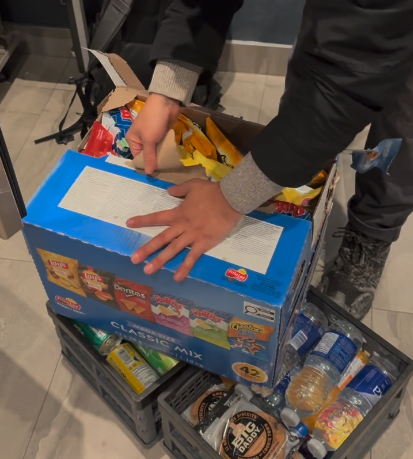
Then you actually need to buy the drinks and snacks. Jose buys most of his from wholesale retailers like Costco and Walmart. He finds better deals and profit margins at warehouse stores. If his operation grows significantly, he might reconsider buying directly from giants like Coca-Cola or Frito-Lay.
Gas is another ongoing cost. Jose thinks of himself as a delivery driver on refill days. Parking in Montreal is also a headache. He’s received around ten parking tickets over three years while refilling machines.
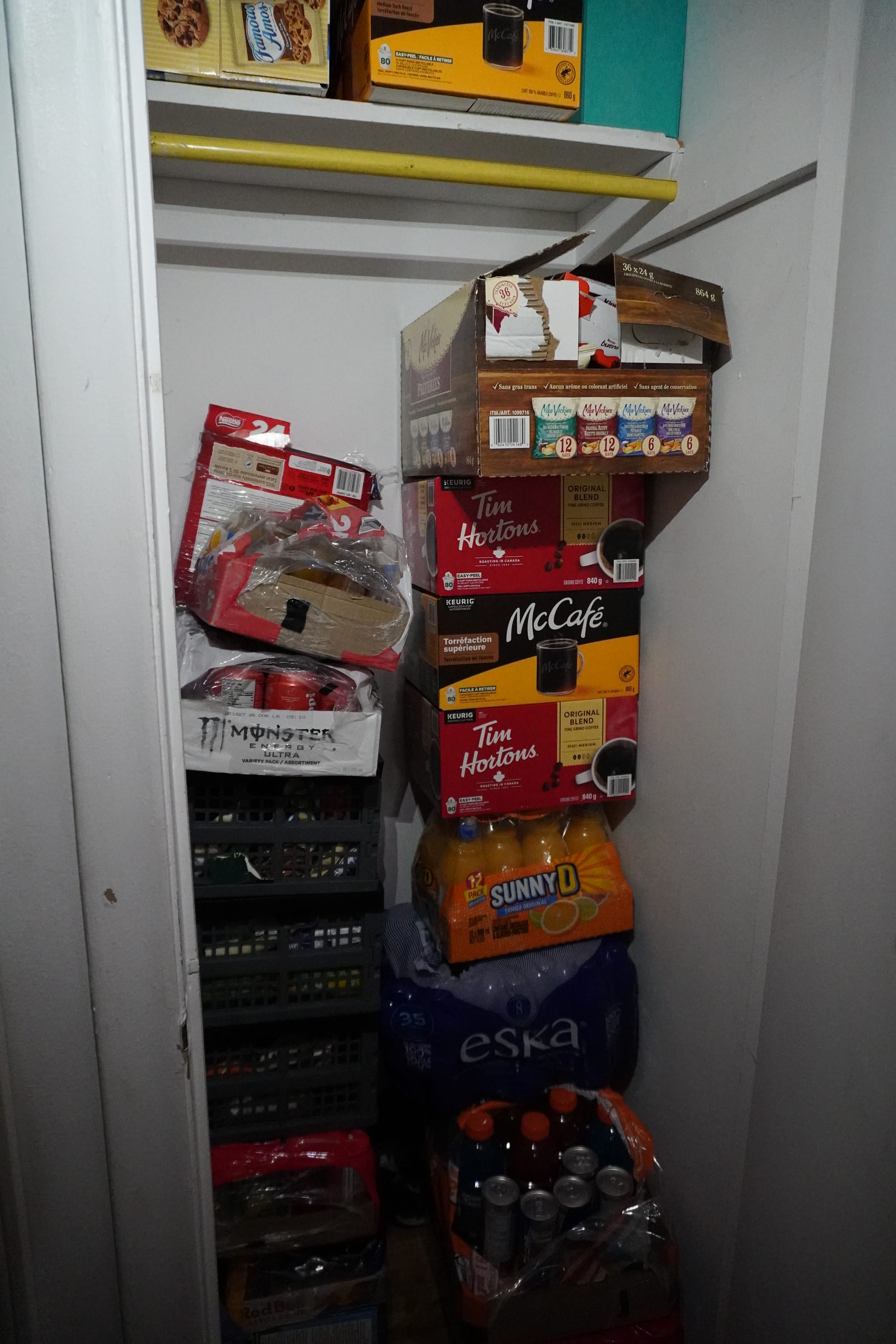
Storage is something he strongly advises against for beginners. “If you only have one machine and you’re paying storage, you’re losing money,” he said.
To avoid it, Jose keeps his inventory at home in a cleared-out closet so everything stays organized and temperature-controlled. He doesn’t leave products in his car because extreme heat and cold can ruin chocolate and drinks, especially in Montreal’s harsh winters and summers.
Actually doing the work
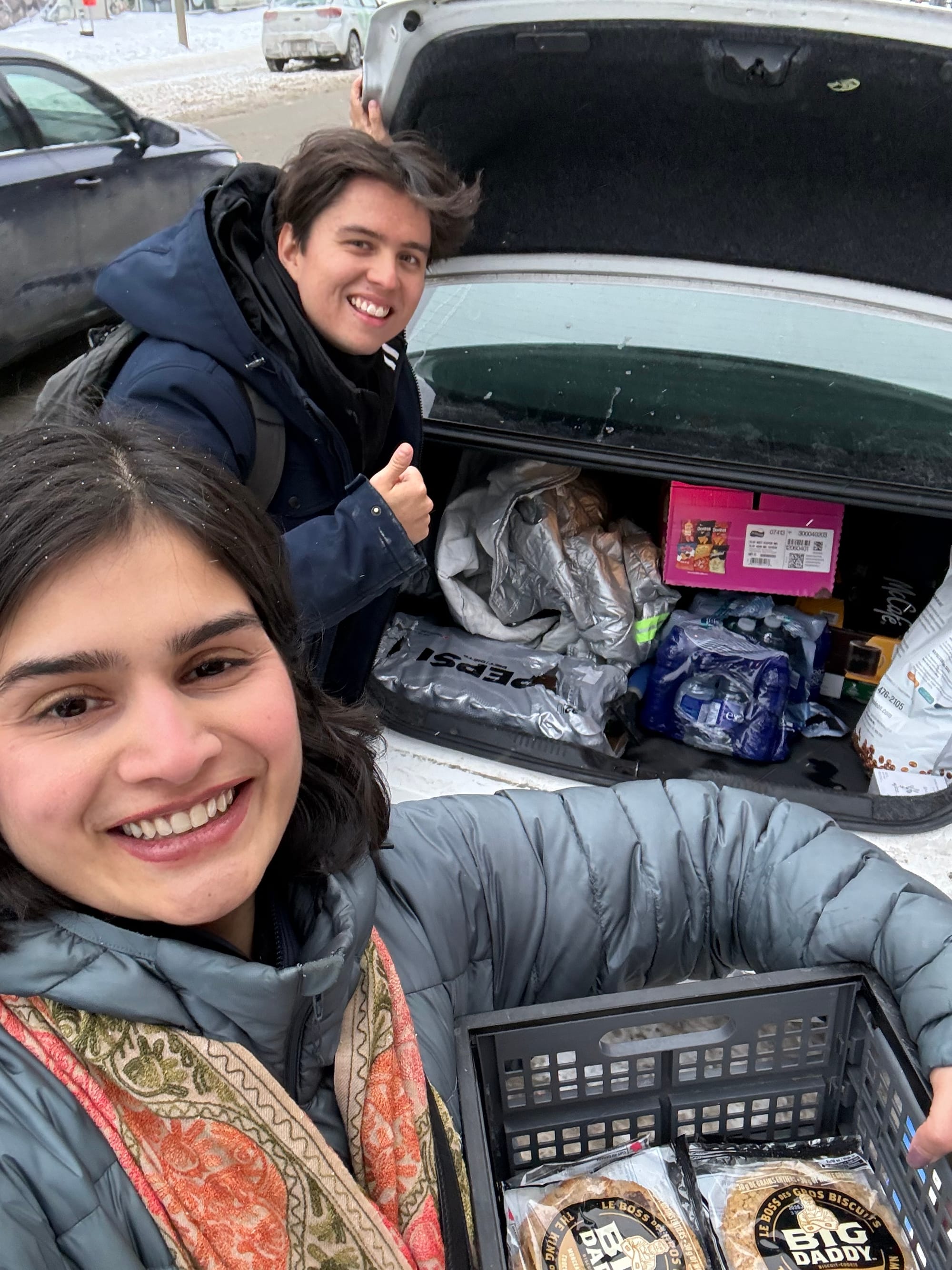
After coffee, we hit the road. Our first stop was a downtown hotel. It was minus ten degrees and the sidewalks hadn’t been shovelled. This meant parking quickly and crossing our fingers in hopes of avoiding a ticket. Jose had already packed the exact snacks and drinks needed for this refill, so we grabbed a few crates from the trunk and headed inside.
As soon as we walked in, Jose greeted the owners and reception staff by name. He told me that keeping good relationships with clients matters as much as stocking the machines. They’ll keep an eye on your equipment, flag repair issues early and make sure to keep you around. During the holidays, he even puts together snack baskets as a small thank-you for the staff.
It took two or three trips back and forth from the car to the vending machine to get all the food and drinks in. The constant switching between freezing air and overheated hallways was not fun. To open the vending machine, Jose pulled out some very odd-looking keys. Not something I’d recommend to anyone who’s even slightly trypophobic.
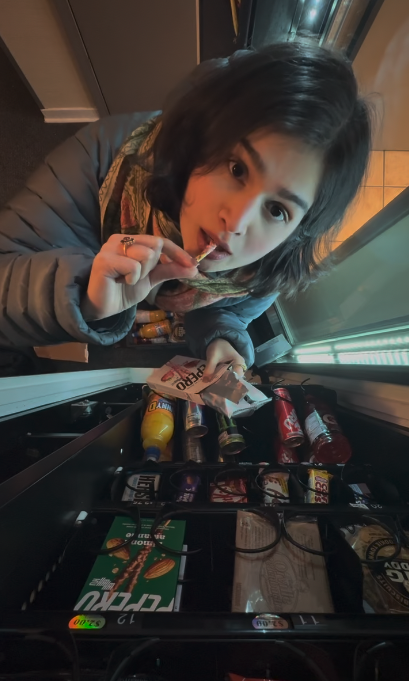
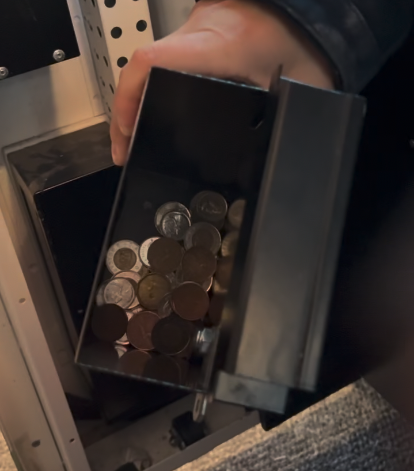
Then we got to work. He refilled empty coils and rotated items that were nearing their expiry dates to the front while I had a snack from his inventory. When the restock was done, he tipped the week’s worth of coins into his backpack. I hadn’t seen that many coins in years and caught myself thinking about how satisfying it would be to sit down and count them all. Jose admitted he enjoys that part too.
We locked the machine, headed back outside to get more crates and walked a few blocks to the next hotel to do it all over again.
How much money do his vending machines make?
Jose is very clear that one vending machine will not replace your job. At best, it might cover a phone bill or wifi. With ten machines in operation, he earns about $5,000 a month in revenue. After expenses like inventory, gas, credit card fees and repairs, he nets roughly $3,000 a month, not too bad for less than 20 hours of work per month.
And that’s with ten machines. “Don’t quit your job for one location,” Jose said.
He does have one setup that performs especially well. He supplies coffee machines to office buildings where employees get free coffee and the company pays Jose for the products. Coffee margins can exceed 250 per cent. This kind of deal is harder to land, but most profitable, he said.
Permits, taxes and the important boring stuff
In general, Jose says you do not need a specific permit just to operate a vending machine in Canada. But rules vary by municipality and by what you sell, so he recommends calling local authorities directly.
Sales tax is built into vending machine prices. In Quebec, everything sold through a vending machine is taxable. If you are making under $30,000 a year in revenue, you may qualify as a small supplier and not need to register for sales tax. Once you exceed that threshold, you need to register.
Jose also recommends opening a separate bank account for the business, even if you are not incorporated. It makes tracking income and expenses much easier at tax time. If you operate under a business name rather than your personal name, you will need to register that name with the province.
The dos and don’ts
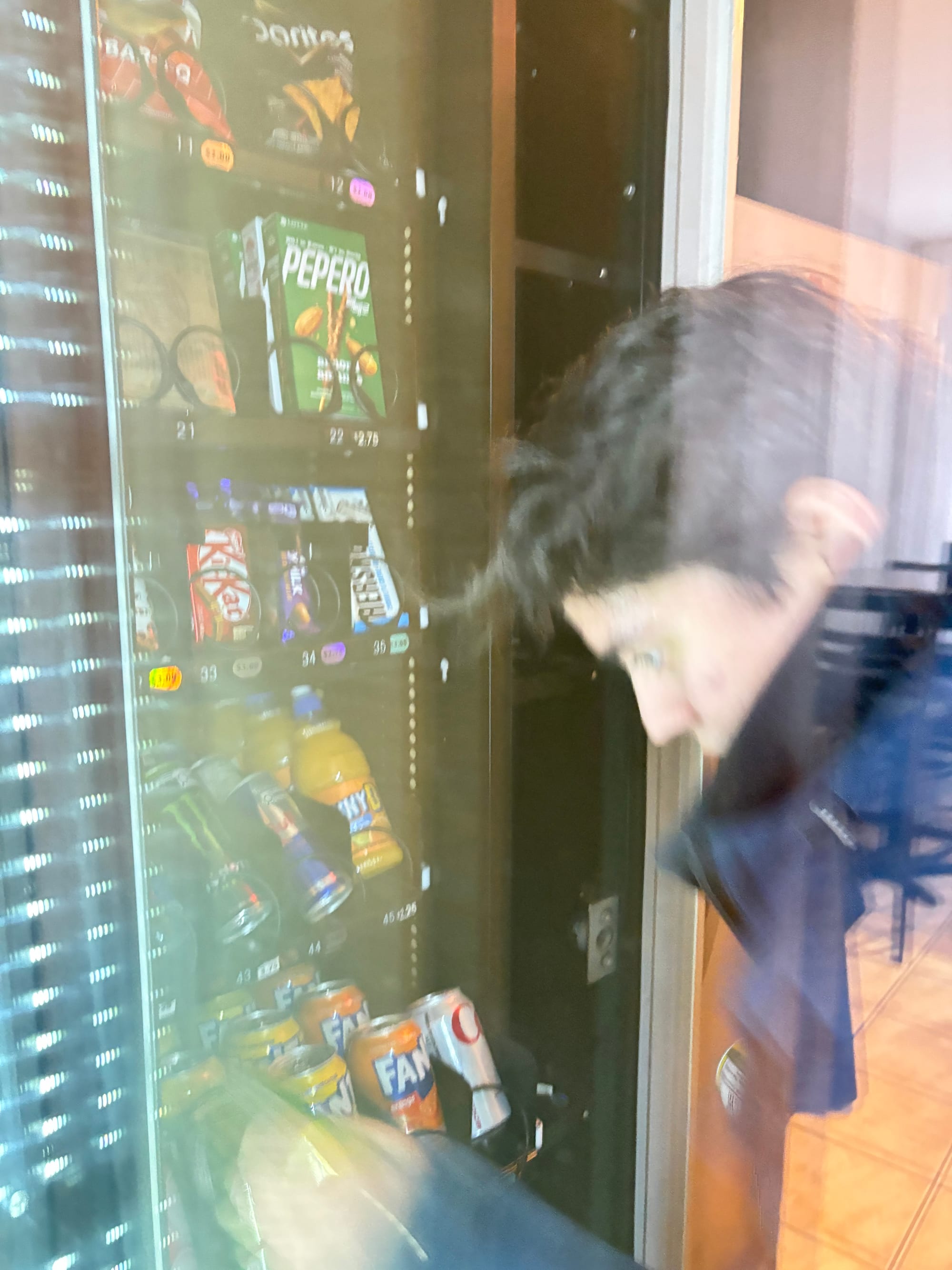
After seven years in the business, here is what Jose would tell a beginner.
- Find a location before buying a machine
- Start with a combo machine (one with a refrigerated section) so you can sell both snacks and drinks.
- Install a credit card reader.
- Consider used machines to lower your upfront cost.
- Get contracts with your locations to protect your spot.
- Don’t take out a loan for your first single machine.
- Don’t assume one location will change your life.
- Don’t pay for storage if you can avoid it.
- Don’t believe this is passive income. “It’s flexible income,” he said.
Spending time with Jose made one thing clear: This business is simple, but it's not effortless. Having vending machines requires planning, the physical labour of carrying and storing and realistic expectations around income. But if you want something that fits around a full-time job and gives you a few hundred dollars extra per month, vending machines might be exactly that.


