

I spoke to a single mom, a married couple, and a young professional who paid hers off early. They shared their credit scores, the products they used, and the mistakes they avoided.
Does a consumer proposal ruin your credit forever?
This is the kind of question that usually lives in the shadows of Reddit, shrouded in shame. Even though more than 100,000 Canadians file every year, there’s still a lot of stigma around debt relief.
So what’s actually going on here? How do people get to the point of filing a consumer proposal, and what happens once the paperwork is done?
To find out, I spoke with three people who went through a consumer proposal and came out the other side. No two experiences were the same, but all of them found a way to rebuild their credit.
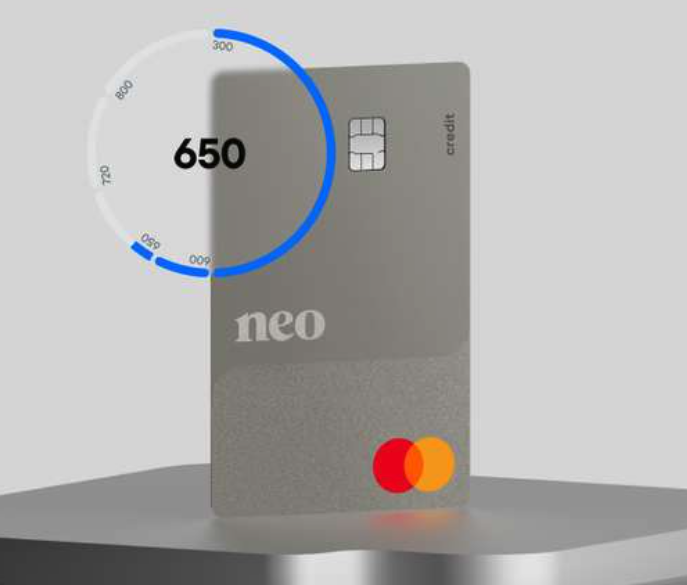
Did you know that no matter what your credit score is, you can get instantly approved for Secured Neo Mastercard? Plus, sign up now via the button below and get a $60 welcome bonus.
* Limited-time offer. Only valid for new Neo customers who open their first eligible Neo credit product and make a purchase within 90 days. Limit of one offer per customer. Offer is subject to the Neo Rewards Policy and may be amended or cancelled at any time without notice.
But First, What Is a Consumer Proposal?
A consumer proposal is a legal deal you make with your creditors through a licensed insolvency trustee. Instead of juggling multiple debts, you agree to repay part of what you owe over a fixed period of time. Most proposals last up to five years and involve one monthly payment. You’re still responsible for some of your debts, but the interest stops piling on.
On both TransUnion and Equifax, a consumer proposal usually stays on your credit report for three years after you finish paying, or six years from the day you filed, whichever comes first.
Tiffany Rebuilt Her Credit One Step at a Time
Tiffany finished her consumer proposal in January 2025, five years after starting it. She remembers how it felt when that final payment went through.
“It was such a victory,” she told me.
Most of her debt came from a student loan that had gone into default years earlier. After leaving an abusive marriage, she had to drop out of college to care for her son. It was an incredibly difficult period in her life, and the debt became something she couldn’t escape.
“It blocked me at every turn,” she said. “It felt like I couldn’t truly move on.”
When the proposal ended, Tiffany’s credit score sat around 585. She started rebuilding slowly. Her first credit product was a Flexiti card, which can only be used at certain retailers but reports to the credit bureaus. That alone helped open doors.
From there, she was approved for a Capital One Smart Rewards card and a Canadian Tire Triangle card. Within a couple of months, she also put a phone plan in her own name.
For Tiffany, the real turning point came after the proposal was fully completed. Once those payments were behind her, rebuilding became easier. Today, her credit score sits in the mid-600s and continues to climb.
She was also able to get a car loan shortly after her discharge. The interest rate was higher than she would have liked, but she sees it as temporary. “Next time,” she said, “I’ll qualify for much better rates.”
Recently, Tiffany met with a banking advisor to map out her next steps: paying off her car, building a rainy-day fund, and eventually qualifying for a line of credit.
What stood out to me was how deeply personal the process has been. Watching her credit improve feels good, she said, because she did this for herself. After years of living in survival mode, rebuilding her credit gave her something she hadn’t had in a long time—control.
Looking back, she wishes she’d known about consumer proposals earlier. But she’s grateful she did it when she did. The payments were manageable as a single mother, and now, as her kids get older, she’s able to think about their futures too.
“Life is good,” she said.
And for the first time in a long while, she means it.
Sean From Winnipeg Avoided Credit Completely
Sean and his wife filed a consumer proposal in November 2018 after carrying roughly $90,000 in debt. The breaking point came after a major income loss in 2015, followed by years of trying and failing to dig their way out.
By the time they filed, the stress was constant. Sean remembers the phone ringing and immediately feeling sick, knowing it was another call or letter from a creditor. Their credit scores were both in the mid-500s.
During the entire five-year proposal, they didn’t apply for any new credit. Everything was paid in cash.
“We just lived without credit,” he told me.
Sean tracked every dollar in spreadsheets, something he still does today. They kept their mortgage and two car loans and paid them down aggressively. When the proposal ended in November 2023, they redirected the money they’d been paying toward the proposal straight into their remaining debt instead of upgrading their lifestyle.
In August 2024, their mortgage was renewed without issue. A full year after the proposal ended, Sean applied for a credit card on a whim and was approved immediately.
Today, his credit scores sit in the low 800s. Credit utilization stays between 5 and 15 percent. Bills are set to autopay. He often pays his credit card balance down before the statement even generates.
Sean is quick to say this approach won’t work for everyone. It required stable income, strict budgeting, and a willingness to sit with discomfort. But for him, living without credit for years completely reset his relationship with money.
“I came through it,” he said. “And I did okay.”
Casey Started Rebuilding Before The Proposal Even Ended
Casey, a young professional in Montreal, struggled with accumulated debt that gradually snowballed. Realizing she was in over her head, she began exploring her options. She filed a consumer proposal in 2017 with a 50-month term and, by staying consistent with her payments, was able to finish it early, at the end of 2019.
Before she even filed, her insolvency trustee gave her one piece of advice that changed everything. Open a new credit card with a different bank, keep the balance at zero, then file the proposal.
Because the card had no balance on the day she filed, it wasn’t included in the proposal. She was able to keep using the card during the proposal and start rebuilding her credit right away.
When the proposal ended, her credit score was still in the low 500s, but it didn’t stay there for long. She pulled her TransUnion and Equifax reports and went through them line by line. She found mistakes, including debts still marked as delinquent even though they had been cleared. She filed corrections and from there, her score quickly improved.
When she applied for a mortgage last year, the consumer proposal barely came up. Today, her credit score sits around 700.
Looking back, she wishes she’d known about consumer proposals sooner. At the time, she’d only heard of bankruptcy, which she believed would mean giving up her car and having her wages garnished. That fear alone kept her from seeking help.
If you’re considering a consumer proposal
If you’re Googling how to rebuild credit after a consumer proposal at two in the morning, I get it.
If you take away anything from this article, let it be this: a consumer proposal does affect your credit, but it does not destroy your future. All of the people I spoke to were able to rebuild. It took time, hard work, and discipline, but they got there.
If you want to keep an eye on your progress, credit score apps can help. I personally like having visibility rather than guessing. This list of credit score apps in Canada is a good place to start.


